
Materials We Buy
We offer nationwide collection on all arboriculture arisings and forestry residues. We collect using artic walking floor trailers. Please contact us via the contact page or get a quote page and we will get back to with a competitive rate.
Arb Chip (arboriculture arisings)
Arb chip, short for arboricultural chip, is a type of wood chip derived from tree branches and other woody plant materials. It is often produced as a byproduct of tree surgery, pruning, or forestry operations. These chips are created by chipping or shredding the branches, limbs, and other woody parts of trees, usually with the help of a wood chipper.
In horticulture, arb chips are primarily used as mulch. They help retain soil moisture by reducing evaporation and suppress weed growth by blocking sunlight. Over time, as the chips decompose, they add organic matter to the soil, improving its structure and fertility. Arb chips can also be used to create garden pathways, providing a natural and aesthetically pleasing surface that is functional, reducing mud and improving drainage. Additionally, they are useful for erosion control on slopes and areas prone to runoff, stabilising the soil. Arb chips can also be added to compost piles as a carbon-rich component, helping to balance nitrogen-rich materials like kitchen scraps.
Arb chips have significant applications as biomass fuel. They can be used as a fuel source for biomass boilers, which burn the chips to produce heat for buildings, greenhouses, or industrial processes. This use of arb chips is an environmentally friendly alternative to fossil fuels. In some cases, arb chips can be used in power plants designed to run on biomass, where they are burned to generate steam, which drives turbines to produce electricity. Arb chips can also be processed into wood pellets, a more uniform and dense form of biomass fuel. Pellets are easier to handle, store, and transport compared to loose chips.
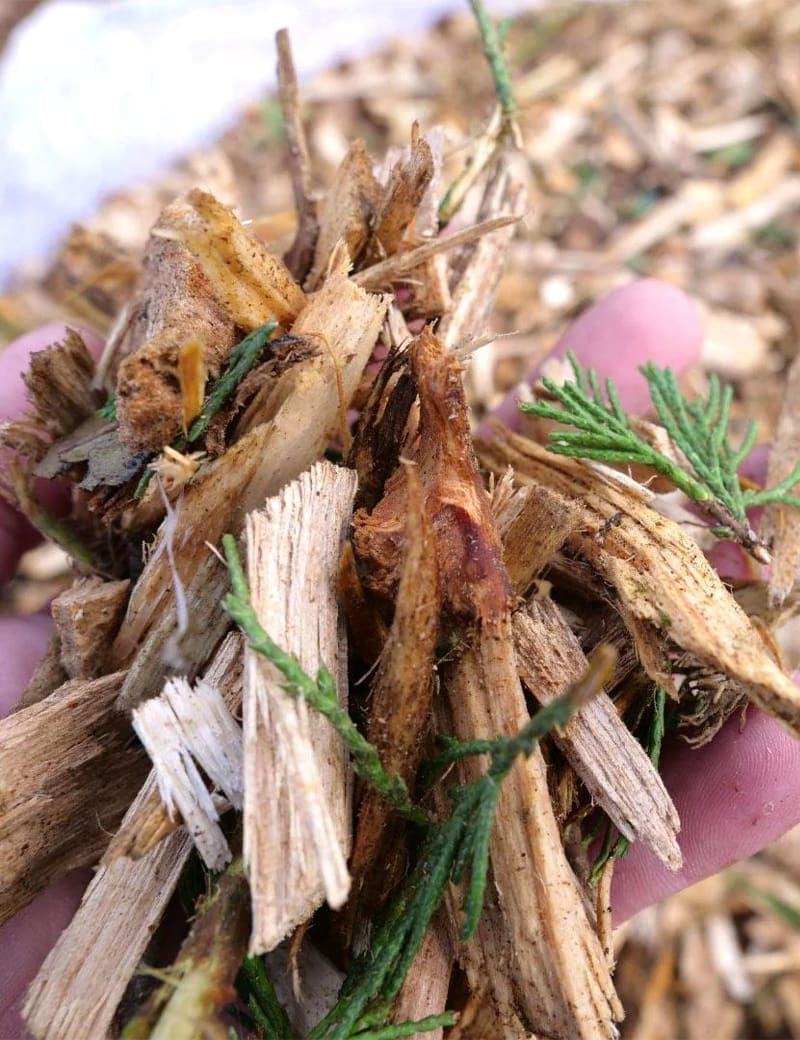
Composted Bark/Arb Fines
Composted bark, also known as arb fines, refers to finely shredded bark and wood material that has undergone a composting process. This material typically comes from the outer layers of trees and shrubs, including bark, small branches, and twigs. The composting process involves breaking down these organic materials through microbial activity, resulting in a nutrient-rich, dark, and crumbly substance.
In horticulture, composted bark is highly valued for its versatility and benefits to soil health. As a soil conditioner, it significantly improves soil structure by increasing its ability to retain moisture and nutrients. When added to heavy clay soils, it helps break up compacted layers, enhancing aeration and drainage. In sandy soils, it aids in moisture retention and prevents nutrients from leaching away.
As mulch, composted bark helps regulate soil temperature, retain moisture, and suppress weeds. A layer of this material spread over the soil surface around plants acts as an insulating blanket, protecting roots from extreme temperatures. It also reduces evaporation, maintaining soil moisture levels, which is particularly beneficial during dry periods. Additionally, the dense layer of mulch prevents sunlight from reaching weed seeds, inhibiting their growth.
Composted bark is often used as a component in potting mixes. Its lightweight nature and excellent drainage properties make it ideal for container gardening. When mixed with other ingredients like peat, perlite, or vermiculite, it creates a balanced growing medium that supports healthy root development and plant growth.
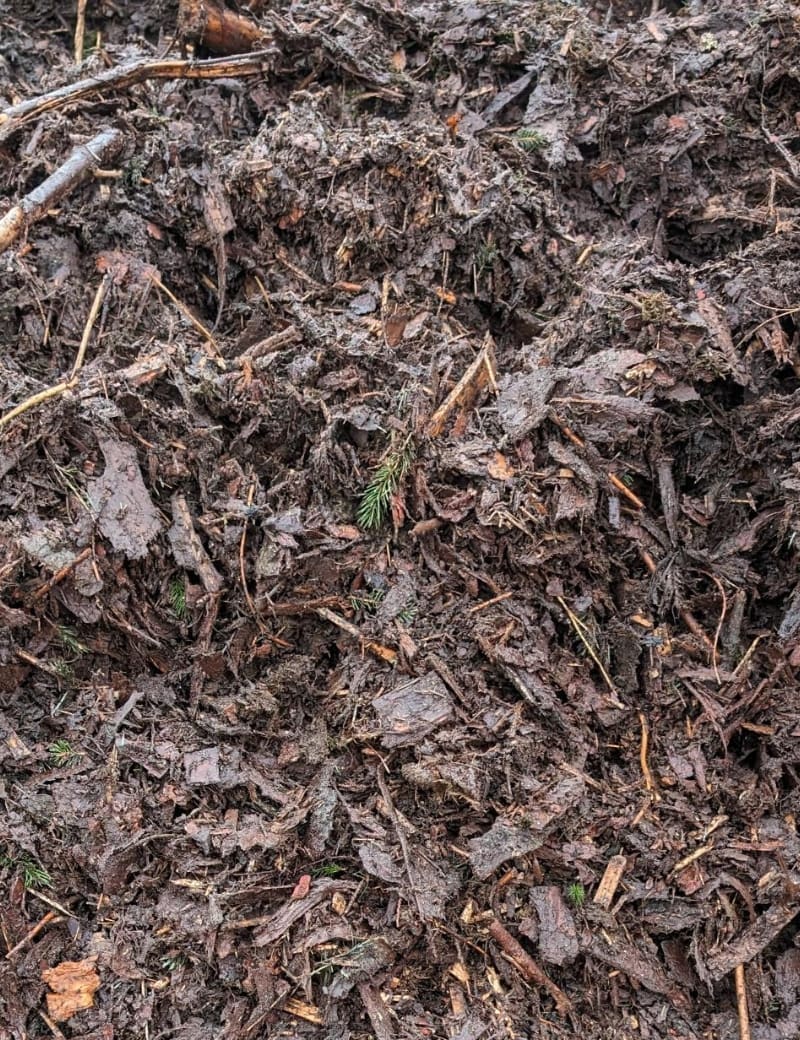
Log Chip
High-end material produced by chipping cordwood or logs is used by drying sites to fuel their boilers due to its high energy content and efficiency. Log chips, derived from the trunks of trees, have a substantial calorific value, making them an effective fuel for generating the necessary heat in drying operations. The uniform size and quality of log chips ensure consistent performance and reduce the risk of operational issues within the boilers.
We collect and deliver this high-end material nationwide, supporting drying sites that prefer using this superior fuel source. Log chips are readily available byproducts of forestry and wood processing industries, promoting sustainable practices by utilizing the entire harvested tree and reducing waste. Their use aligns with environmental goals, supporting a more circular economy and reducing dependency on fossil fuels.
Additionally, burning log chips is considered carbon-neutral, as the carbon dioxide released during combustion is offset by the carbon dioxide absorbed by trees during their growth. This results in lower emissions of harmful pollutants such as sulphur dioxide and particulate matter, contributing to improved air quality and helping drying sites comply with environmental regulations. The cost-effectiveness and local availability of log chips provide an economic advantage over more expensive fossil fuels.
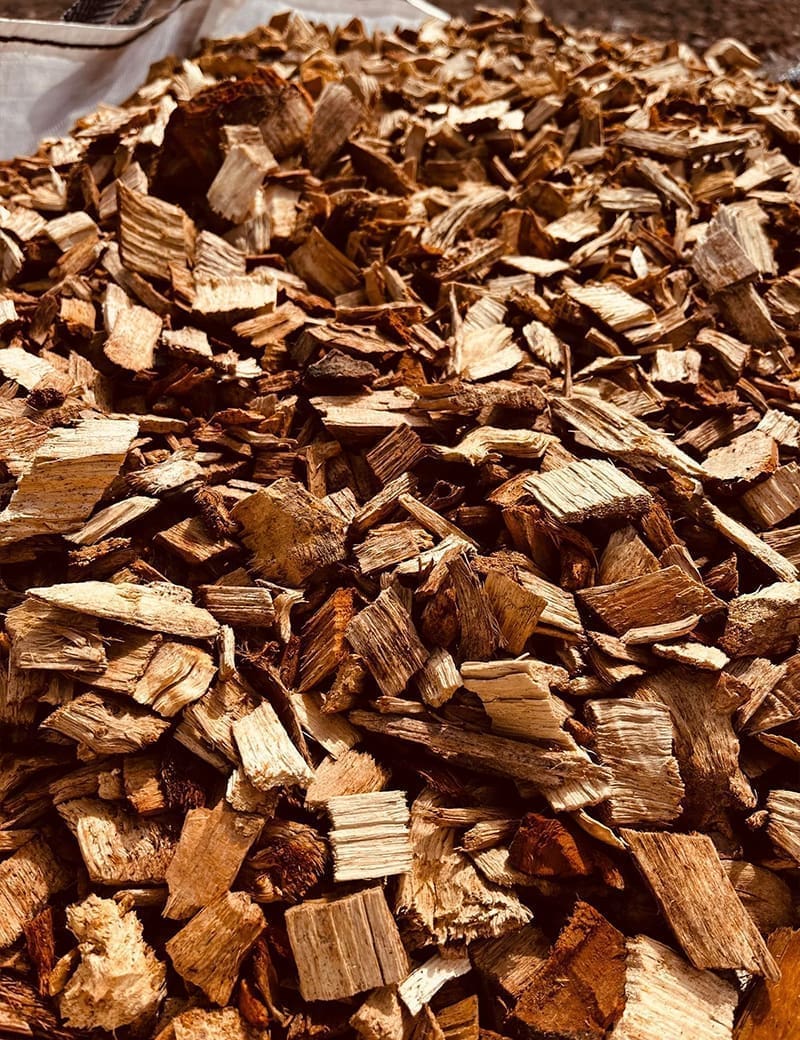
Whole Tree Woodchip
Whole tree woodchip, the product of chipping whole trees or treetops (essentially the crown of the tree), is used in power stations and drying facilities due to its high energy efficiency and calorific value. This makes it an effective fuel for generating heat and electricity. By utilising all parts of the tree, it maximises resource use and ensures a continuous supply of biomass from managed forests and tree maintenance activities, contributing to sustainability and carbon neutrality.
We source whole tree woodchip nationwide on walking floor hauliers and transfer this material to both power stations and drying facilities. Using whole tree woodchip helps manage and reduce waste from forestry and arboriculture operations, repurposing organic material that would otherwise be discarded. This supports local energy production, reduces dependence on imported fossil fuels, and enhances energy security while promoting the use of renewable energy sources.
Whole tree woodchip provides a consistent and high-quality fuel source, ensuring efficient and reliable operation of biomass boilers and drying facilities. This leads to optimal performance and reduced maintenance. Additionally, using whole tree woodchip typically results in lower emissions of harmful pollutants such as sulphur dioxide and particulate matter compared to burning fossil fuels, contributing to improved air quality and compliance with environmental regulations.

Compost
Compost is widely used as a soil amendment to improve soil structure, fertility, and overall health. When incorporated into garden beds, compost increases the soil’s ability to retain moisture and nutrients. It also enhances soil aeration and drainage, particularly in heavy clay or sandy soils. The addition of compost promotes the growth of beneficial microorganisms and earthworms, which further enrich the soil.
As a slow-release fertiliser, compost provides essential nutrients such as nitrogen, phosphorus, and potassium to plants. Unlike synthetic fertilisers, compost releases nutrients gradually, ensuring a steady supply over time. This slow-release mechanism reduces the risk of nutrient leaching and prevents over-fertilisation that can harm plants.
Compost can also be used as mulch to cover the soil surface around plants. As mulch, it helps retain soil moisture by reducing evaporation, suppresses weed growth by blocking sunlight, and moderates soil temperature. This protective layer also gradually breaks down, adding organic matter and nutrients to the soil.
Compost provides essential nutrients for plant growth, improving soil fertility naturally. It enhances soil texture, making it easier to work with and better suited for root development. Compost increases the soil’s ability to retain water, reducing the need for frequent watering. Using compost reduces waste sent to landfills, recycles organic materials, and decreases the need for chemical fertilisers. Overall, compost promotes a sustainable approach to gardening, supporting healthy ecosystems and reducing the carbon footprint.

A-Grade Waste Wood
A Grade waste wood is high-quality reclaimed wood typically sourced from untreated wooden pallets, offcuts from manufacturing processes, and surplus timber from construction sites. This type of wood has not been treated with any chemicals, paints, or varnishes, making it safe and environmentally friendly for various uses.
A Grade waste wood is commonly used as animal bedding due to its cleanliness and safety. It provides a comfortable and hygienic environment for animals. The wood shavings or chips from A Grade waste wood are highly absorbent, helping to keep animal enclosures dry by soaking up urine and moisture. This is particularly important for maintaining the health and comfort of livestock and pets.
A Grade waste wood is also an excellent source of biomass fuel, offering a sustainable and environmentally friendly alternative to fossil fuels. It can be used in several ways. The wood can be chipped and used as fuel in biomass boilers. These boilers burn the wood chips to produce heat for homes, industrial processes, and agricultural applications. This is an efficient way to utilise waste wood while reducing reliance on non-renewable energy sources.
A Grade waste wood can also be processed into pellets, which are a more uniform and dense form of biomass fuel. Wood pellets are used in pellet stoves and boilers, providing a convenient and efficient heating solution. Pellets are easy to handle, store, and transport, making them a popular choice for residential and commercial heating. In some cases, A Grade waste wood can be used in power plants designed to run on biomass. The wood is burned to generate steam, which drives turbines to produce electricity. This method of power generation helps to reduce carbon emissions and promotes the use of renewable energy sources.

B and C-Grade Waste Wood
B Grade waste wood includes wood that has typically been treated or painted. This can encompass construction and demolition wood, furniture, and wood from various industrial sources. Unlike A Grade waste wood, B Grade wood may have been treated with chemicals, varnishes, or paints, which can impact its recycling and disposal processes.
C Grade waste wood consists of lower-quality wood that is often heavily treated, painted, or contaminated. This category includes wood from demolition sites, municipal collections, and wood used in external applications where it may have been exposed to harsher conditions and treatments.
Both B and C Grade waste wood are commonly utilised as biomass fuel, but they require different handling and processing due to the potential presence of contaminants.
B and C Grade waste wood can be used in biomass boilers designed to handle lower-quality wood. These boilers burn the wood to produce heat and energy for residential, commercial, and industrial applications. The combustion process converts the stored energy in the wood into heat, which can then be used for space heating, hot water, or industrial processes.
In some cases, B and C Grade waste wood can be used in power plants specifically designed to run on biomass. These plants burn the wood to generate steam, which drives turbines to produce electricity. This method of power generation helps reduce reliance on fossil fuels and promotes the use of renewable energy sources.

Digestate Fibre
Digestate fibre is a byproduct of the anaerobic digestion process, where organic materials such as food waste, animal manure, and agricultural residues are broken down by microorganisms in the absence of oxygen. This process produces biogas, which can be used as a renewable energy source, and a nutrient-rich residue known as digestate. Digestate is typically separated into a liquid fraction and a fibrous solid fraction, known as digestate fibre.
Digestate fibre is widely used as a soil amendment due to its high organic matter content and nutrient richness. When incorporated into the soil, it improves soil structure, enhancing aeration, water retention, and drainage. This makes it particularly beneficial for heavy clay soils, which can become compacted and poorly drained, as well as sandy soils, which can struggle to retain moisture and nutrients.
Rich in essential nutrients such as nitrogen, phosphorus, and potassium, digestate fibre acts as an effective fertiliser. It slowly releases these nutrients into the soil, providing a steady supply that supports healthy plant growth. Unlike synthetic fertilisers, which can cause nutrient leaching and environmental pollution, digestate fibre offers a more sustainable and eco-friendly alternative.
Digestate fibre can also be used as mulch to cover the soil surface around plants. As mulch, it helps retain soil moisture by reducing evaporation, suppresses weed growth by blocking sunlight, and regulates soil temperature. Over time, as the digestate fibre breaks down, it further enriches the soil with organic matter and nutrients.

Wood Shavings
Wood shavings are thin, curly slices of wood produced as a byproduct of woodworking processes such as planing, milling, or turning. They are typically generated from softwoods like pine, spruce, or fir, although hardwood shavings are also available. These shavings are light, fluffy, and absorbent, making them ideal for various applications, especially as animal bedding.
One of the primary reasons wood shavings are used as animal bedding is their high absorbency. They can soak up significant amounts of moisture from urine and spilled water, helping to keep the animal’s living area dry and hygienic. This is particularly important for maintaining the health of livestock, pets, and small animals by reducing the risk of diseases related to damp and unsanitary conditions.
Wood shavings help to control odours in animal enclosures. Their absorbent nature helps to trap moisture and reduce the buildup of ammonia from urine, which can cause unpleasant smells. This creates a more pleasant environment for both the animals and their handlers.
The soft and fluffy texture of wood shavings provides a comfortable bedding material for animals. This is crucial for animals that spend a lot of time lying down, as it helps to prevent pressure sores and injuries. The cushioning effect of the shavings also contributes to the overall wellbeing of the animals.
Wood shavings offer good insulating properties, helping to maintain a stable and comfortable temperature in the animal enclosure. This is particularly beneficial during colder months, as it helps to keep animals warm and cosy.

Bark
Bark is the outermost layer of trees and shrubs, consisting of various layers that protect the plant from environmental damage and disease. It comprises dead cells on the outside and living cells on the inside, contributing to the growth and health of the tree. Bark comes in many forms and types, depending on the species of the tree, and can vary in thickness, texture, and colour.
One of the primary uses of bark in horticulture is as mulch. Mulching with bark helps conserve soil moisture by reducing evaporation, which is especially beneficial during dry periods. It also helps to suppress weed growth by blocking sunlight, making it harder for weed seeds to germinate. Additionally, bark mulch moderates soil temperature, keeping the roots cooler in the summer and warmer in the winter. Over time, as the bark decomposes, it adds organic matter to the soil, improving its structure and fertility.
Bark can also be used as a soil conditioner to improve the texture and drainage of heavy soils. When incorporated into the soil, bark helps to break up compacted clay soils, enhancing aeration and water penetration. This improvement in soil structure promotes healthier root growth and better overall plant health. For sandy soils, bark helps to retain moisture and prevent nutrient leaching, providing a more stable environment for plants.
In addition, bark is often used for creating garden pathways and ground cover. It provides a natural and aesthetically pleasing surface that is soft underfoot and blends well with the garden landscape. Bark pathways are also practical, as they help to reduce mud and erosion, making garden areas more accessible even after rain.
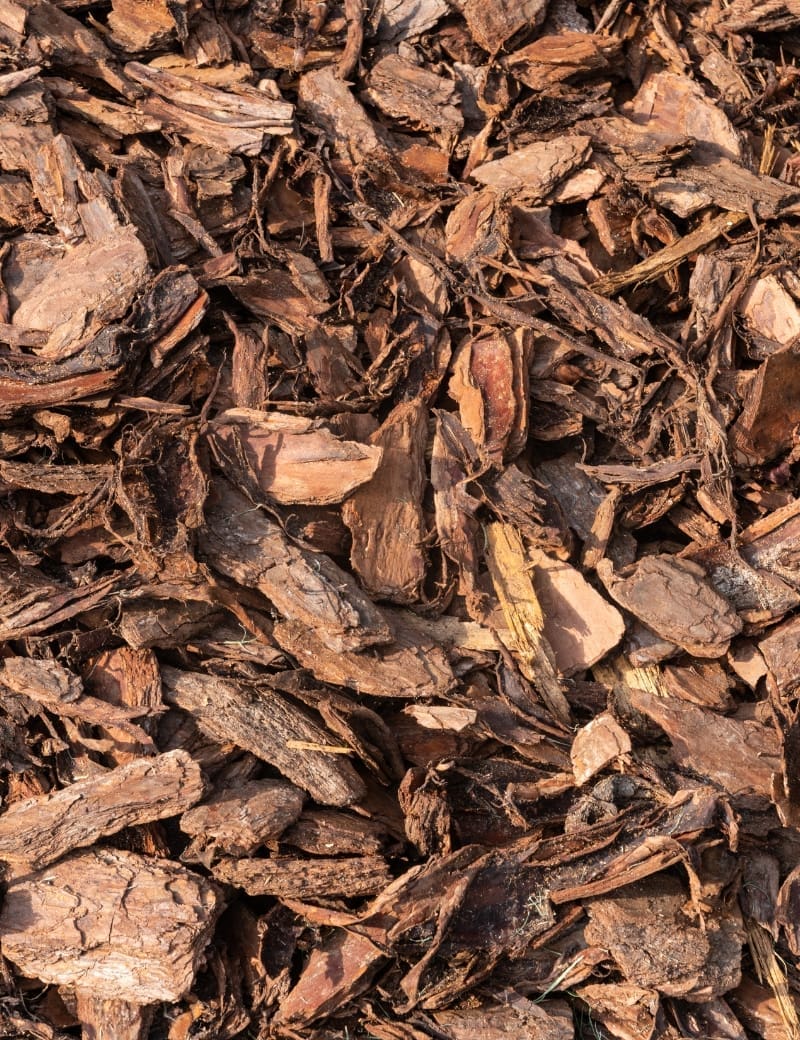
We also accept offcuts, noggins and rings. For any queries surrounding collection, call us on 01928 618668 or use our contact page HERE.